The Raeburn story · Since the 1870s

A legacyin motion.

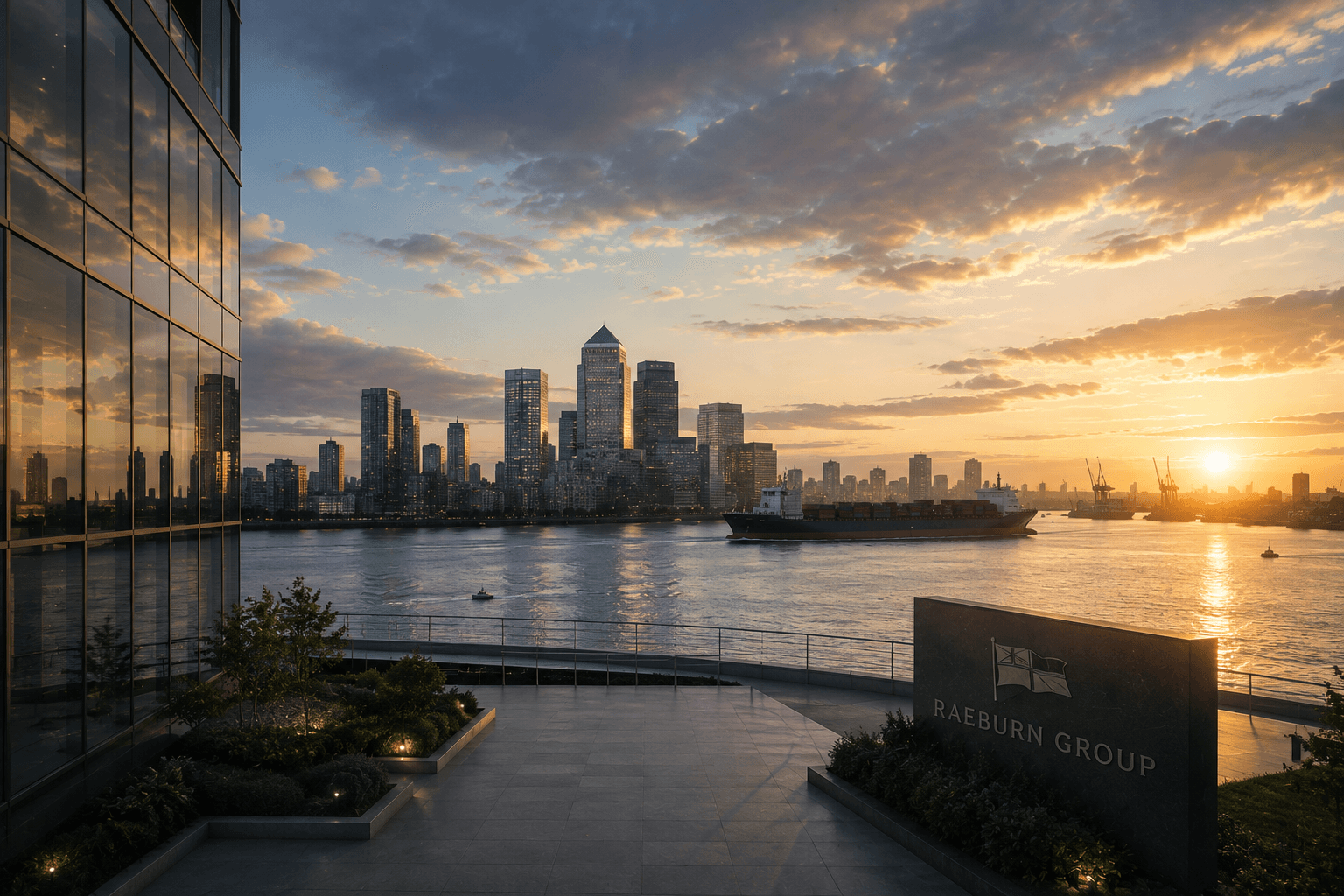
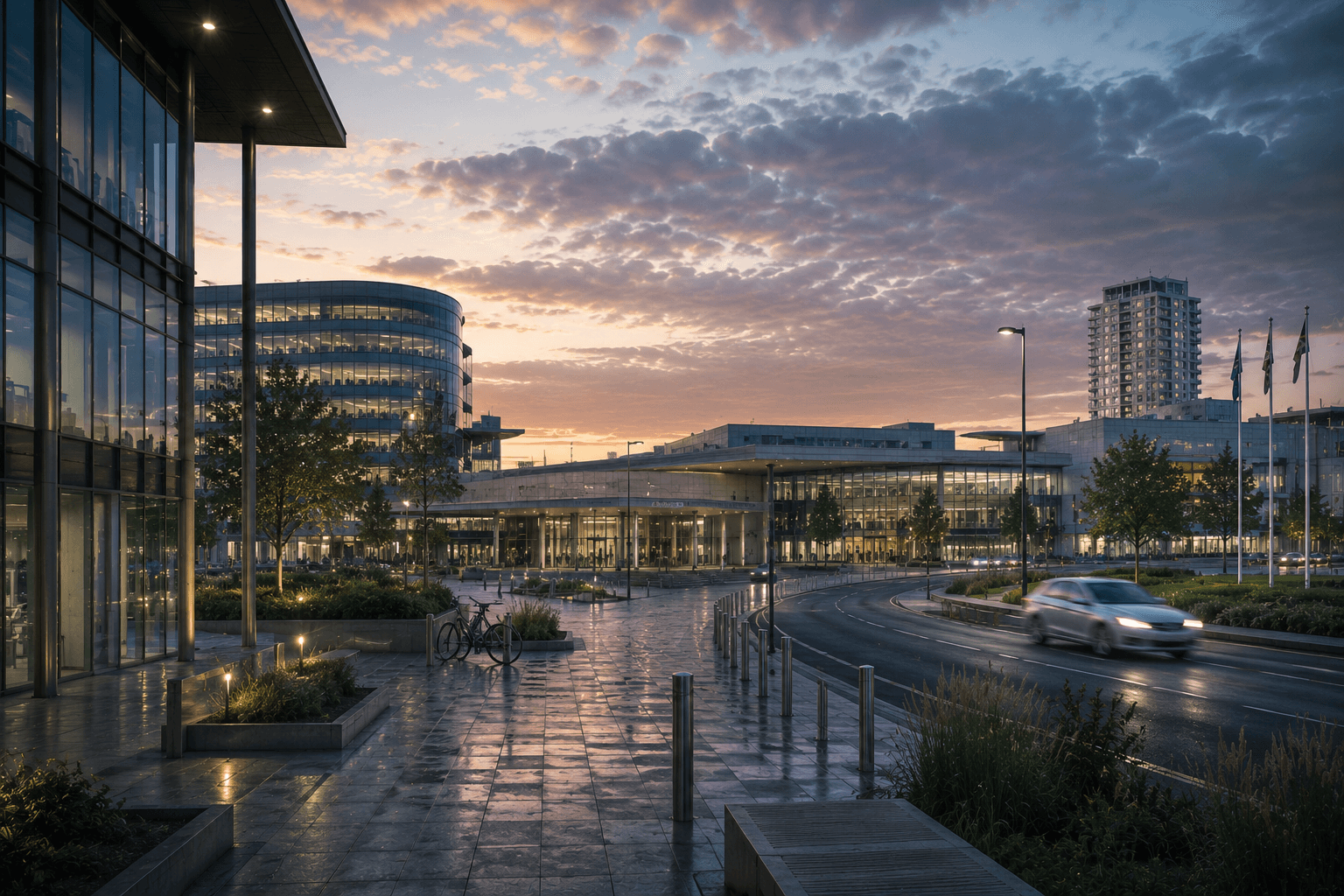
From nineteenth-century steamships to a modern group spanning technology, consulting, automation and ventures — the Raeburn story is one of enterprise repeatedly remade for its time.

Explore the journey

Origins

1870s

Institutional milestone

1923

Maritime chapter closes

1973

Current era

Technology

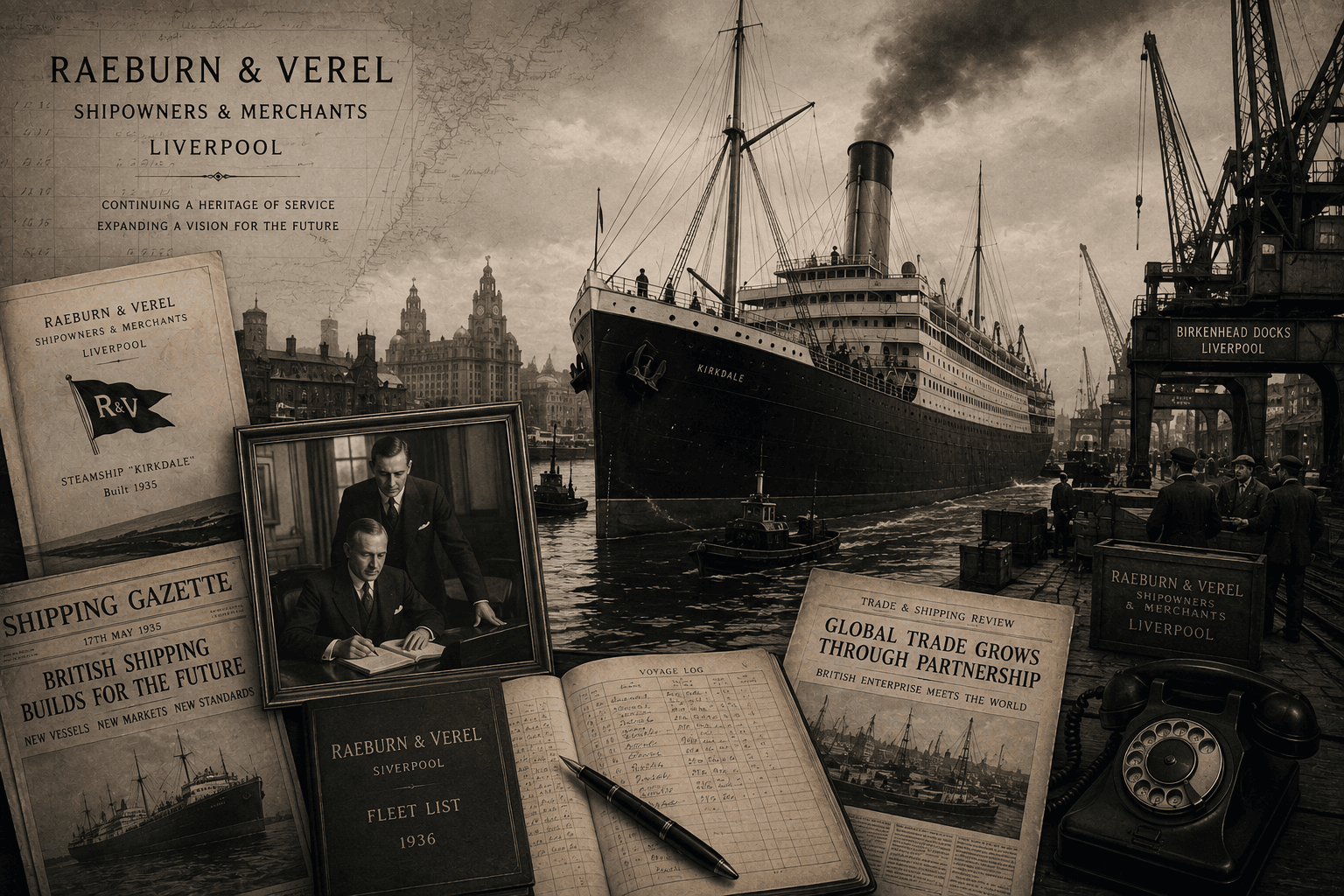
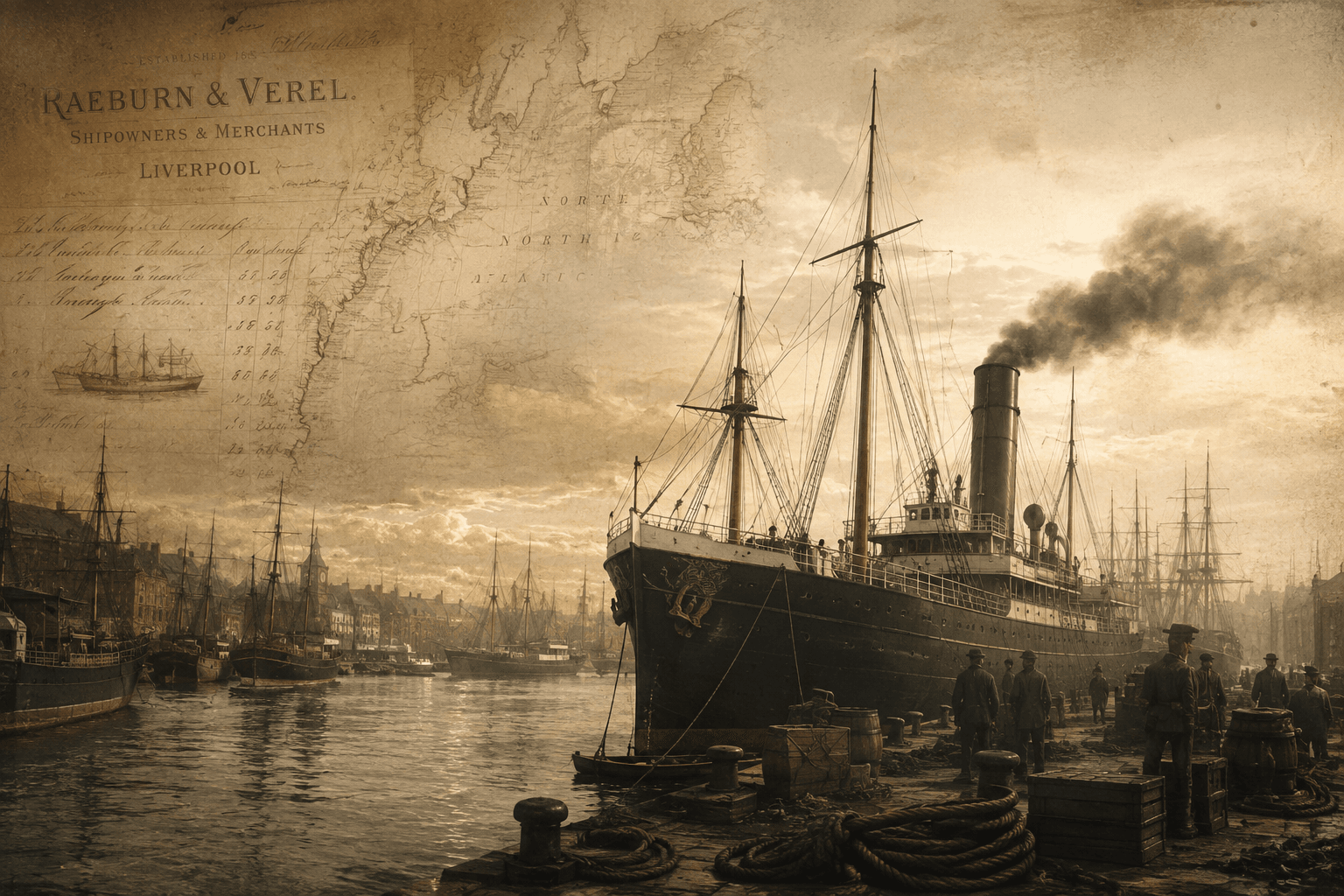
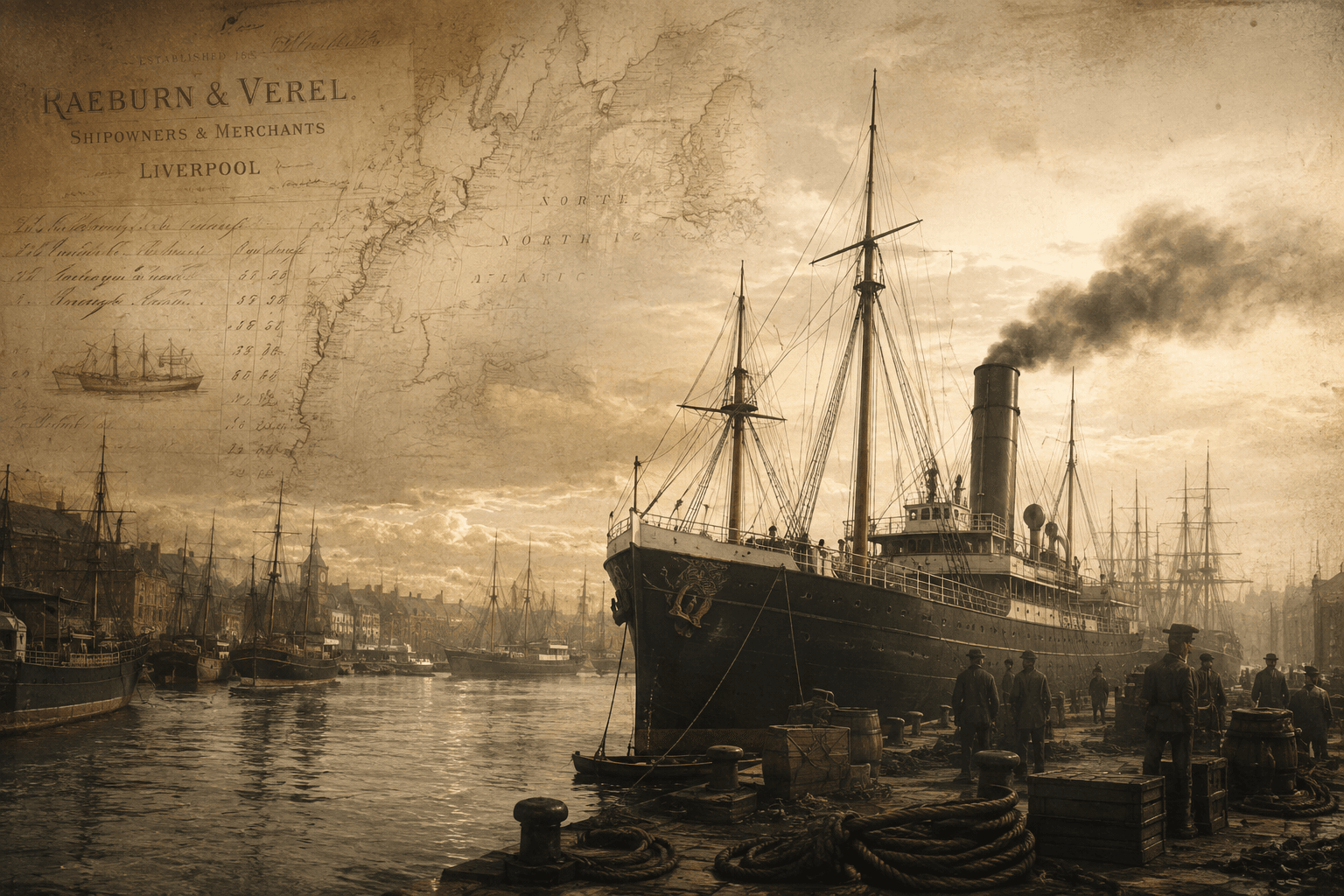
Steam, iron, manifests and ocean routes

A Raeburn enterprise is built around the sea.

William Hannay Raeburn built his commercial reputation in Glasgow shipping during the final decades of the nineteenth century. The business that became Raeburn & Verel grew into an international steamship operation and established the Raeburn name in Scottish commercial life long before the twentieth century began.

Raeburn generation

William Hannay Raeburn

Shipping entrepreneur · later 1st Baronet

01Shipping enterprise established in the 1870s
02Raeburn & Verel name established by 1880
03Around twelve steamers operating by 1900
04Monarch Steamship Company formed in 1902
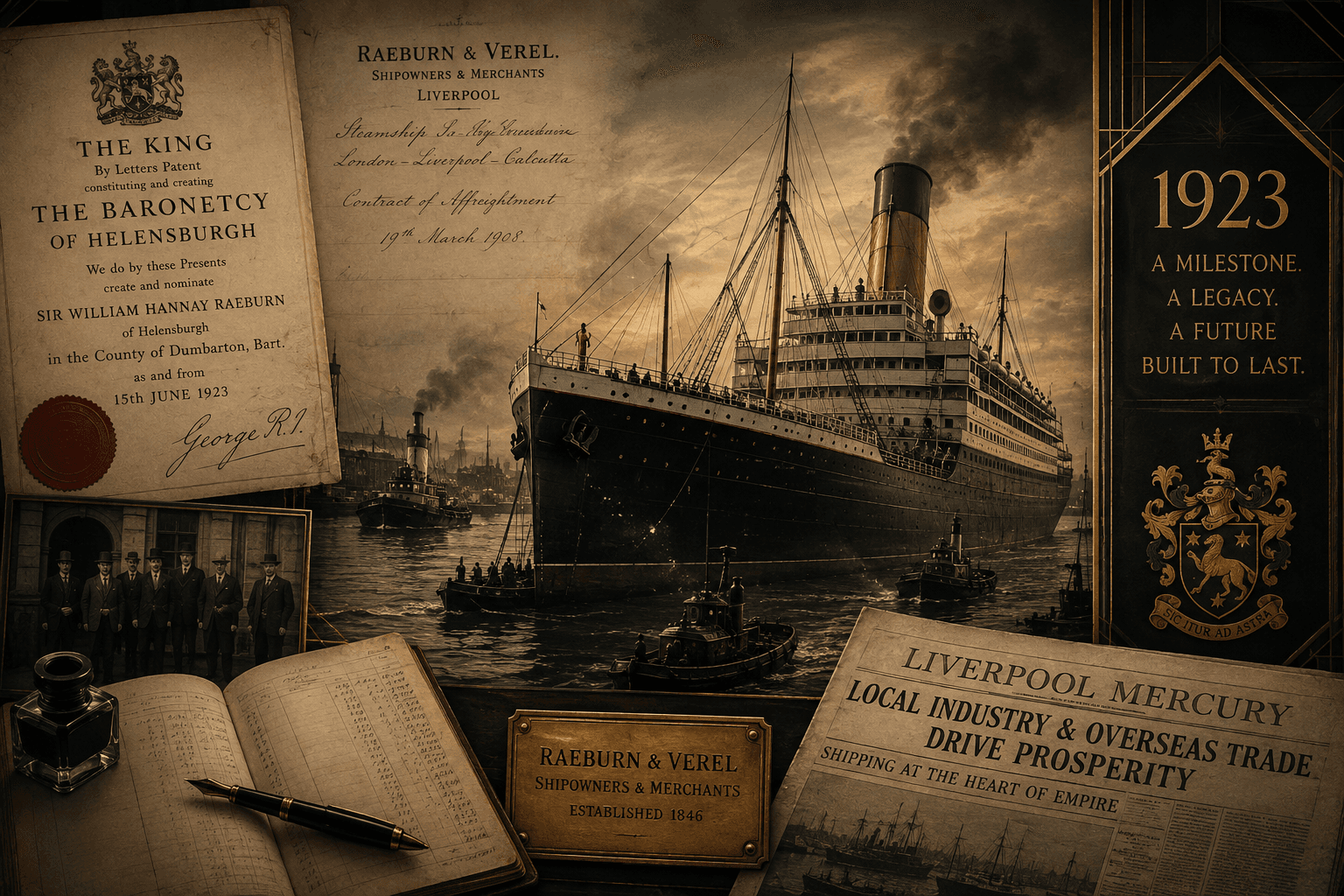
Art Deco, steamship offices and transatlantic confidence

Commercial success becomes a family institution.

By the early twentieth century the Raeburn shipping enterprise was already well established. In 1923 William Hannay Raeburn, head of Raeburn & Verel and a former Member of Parliament for Dunbartonshire, became the first Baronet of Helensburgh. The date became a defining family milestone within an enterprise already decades old.

Raeburn generation

Sir William Hannay Raeburn, 1st Baronet

Head of Raeburn & Verel · MP · family patriarch

01Baronetcy of Helensburgh created in 1923
02Sir William remained closely identified with Raeburn & Verel
03The Raeburn name was established in both commercial and public life
04The family enterprise entered a second generation
Ledgers, shipping notices and the inter-war office

A second generation takes the helm.

Sir William Norman Raeburn succeeded his father as 2nd Baronet and was recorded as chairman of Raeburn & Verel. The company entered the later inter-war years as a mature shipping concern in a world of tightening trade, changing routes and growing geopolitical uncertainty.

Raeburn generation

Sir William Norman Raeburn, 2nd Baronet

Chairman · Raeburn & Verel

01Second generation of the Baronetcy
02Sir William Norman Raeburn recorded as chairman of Raeburn & Verel
03Family stewardship continued through the inter-war years
04Shipping remained the central commercial identity
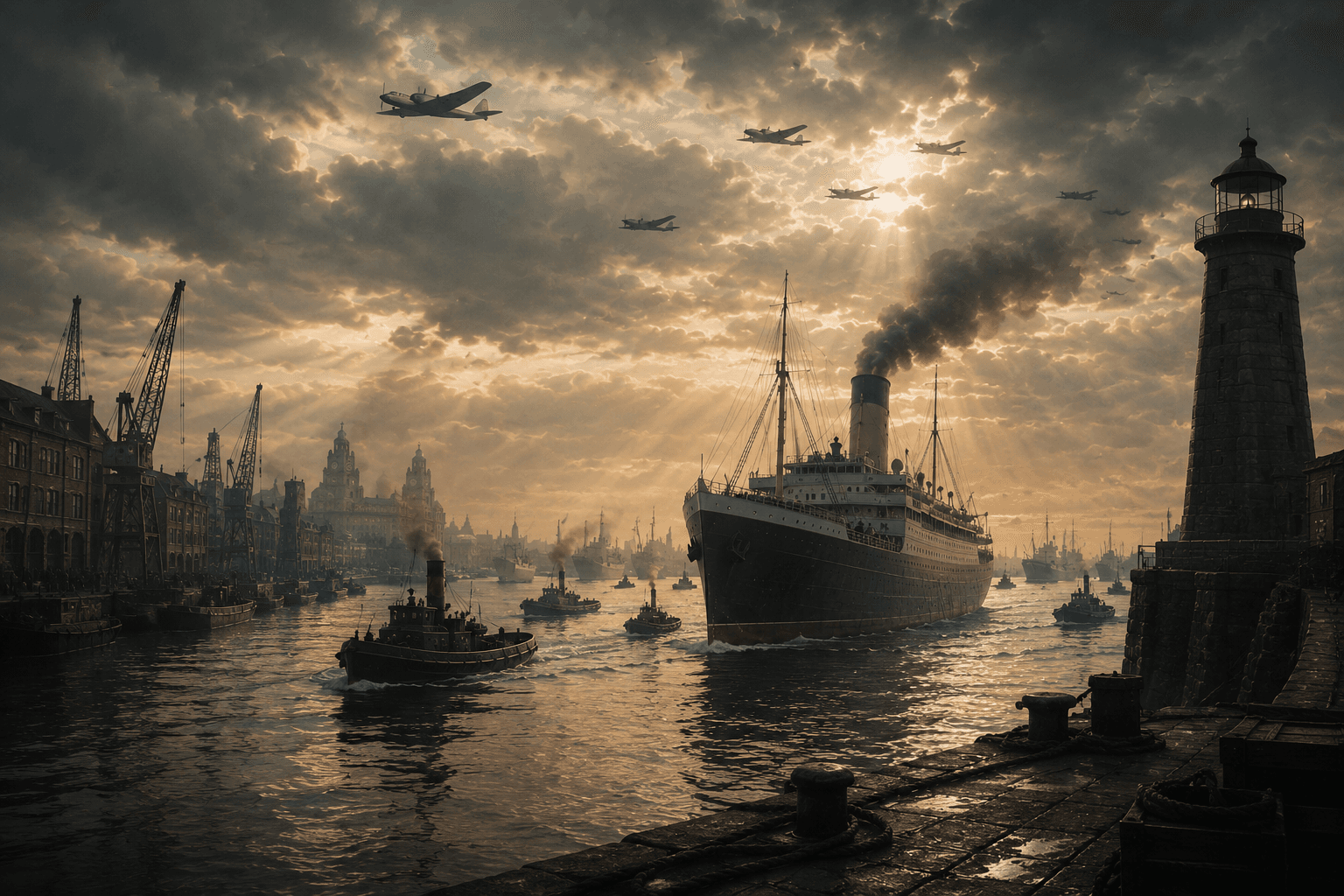
Wireless, blackout, convoy routes and wartime utility

Enterprise through a world at war.

The Second World War transformed British shipping and international trade. Raeburn & Verel continued through a period in which merchant shipping was strategically vital and every voyage existed within a radically altered operating environment.

Raeburn generation

Sir William Norman Raeburn, 2nd Baronet

Second-generation stewardship through wartime

01Raeburn stewardship continued through wartime Britain
02Merchant shipping became strategically critical
03Commercial routes operated within wartime controls and disruption
04The family business emerged into the post-war period
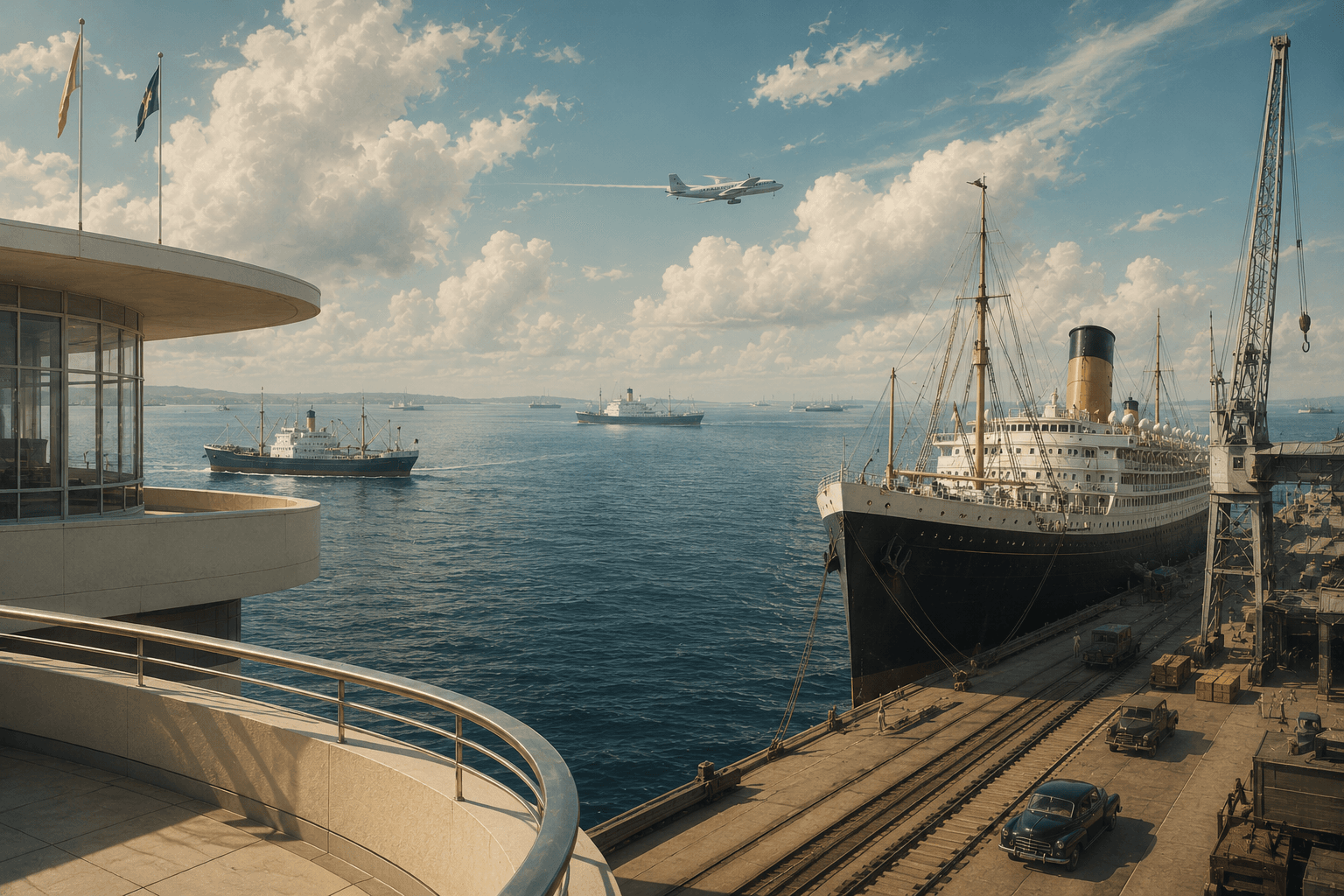
Reconstruction, modernisation and post-war optimism

A post-war shipping business looks forward.

The post-war decades carried the Raeburn story into a third generation. One of the clearest surviving symbols of the era is the 5,824-ton Celtic Monarch, built for Raeburn & Verel in 1929 and photographed arriving at Cardiff around 1948. British trade was rebuilding, and shipping remained central to the movement of goods and industry.

Raeburn generation

Sir Edward Alfred Raeburn, 3rd Baronet

Third generation during the post-war shipping era

01Sir Edward Alfred Raeburn became 3rd Baronet
02Celtic Monarch represented the scale of the fleet
03The vessel measured 5,824 gross tons
04Raeburn & Verel remained part of post-war British shipping
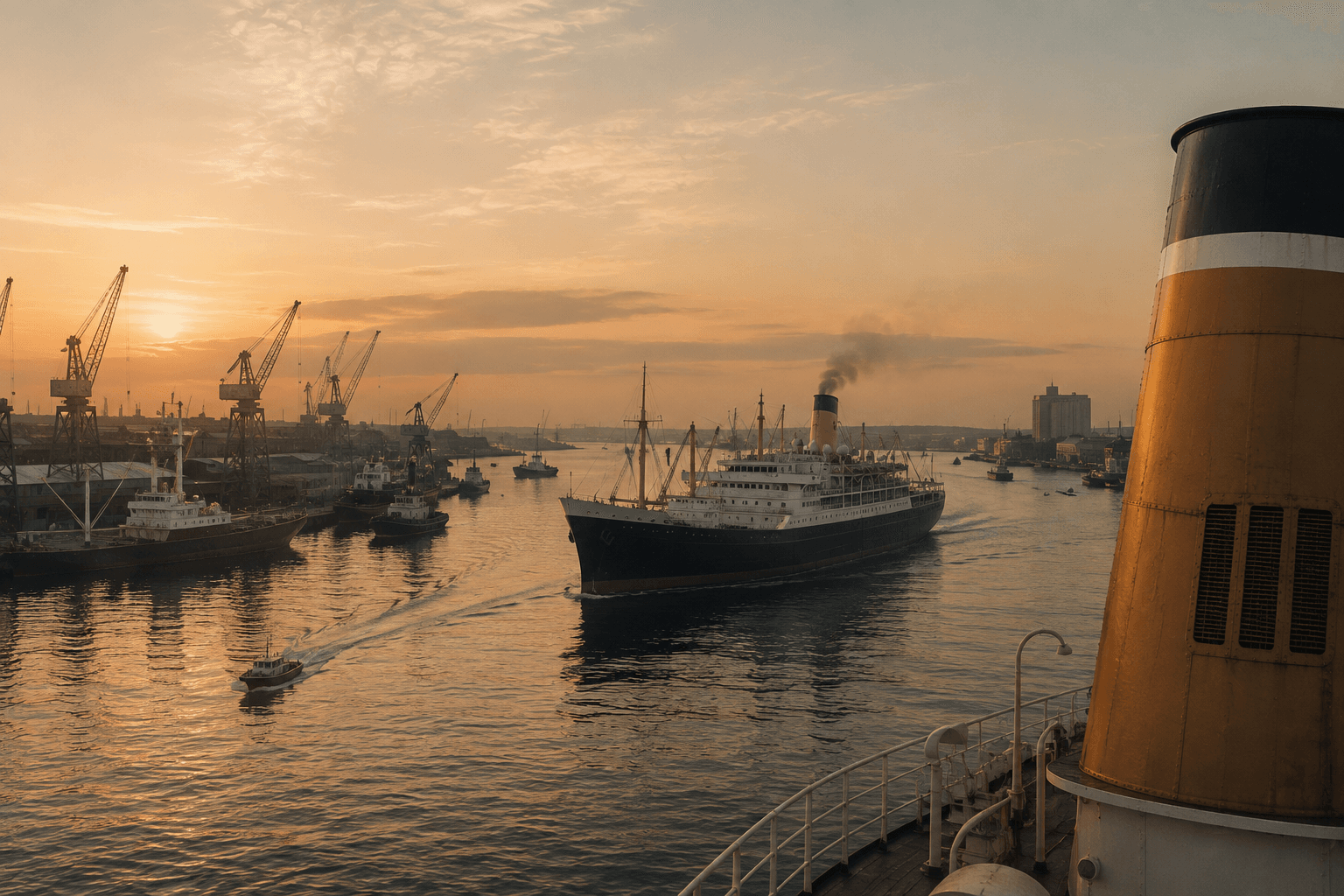
Industry, modern logistics and structural change

The maritime chapter reaches its close.

Shipping itself was changing rapidly as containerisation, consolidation and new economics reshaped the industry. Raeburn & Verel ultimately sold its final vessel in 1973, closing a maritime chapter that had begun almost a century earlier.

Raeburn generation

Sir Edward Alfred Raeburn, 3rd Baronet

Third generation at the close of the shipping era

01Global shipping entered a period of structural change
02Containerisation transformed international freight
03The family enterprise moved beyond its maritime operating model
04Raeburn & Verel sold its final ship in 1973
Corporate Britain, services and a post-industrial economy

The Raeburn line continues beyond shipping.

When the Baronetcy passed to Sir Michael Edward Norman Raeburn, the industrial world surrounding the family was already very different from that of the nineteenth-century founders. The ships had gone, but the family line and commercial identity continued into a more diversified, service-led economy.

Raeburn generation

Sir Michael Edward Norman Raeburn, 4th Baronet

Fourth generation of the Raeburn line

01Sir Michael became 4th Baronet in 1977
02The Raeburn line continued after the shipping era
03Britain moved from heavy industry toward services and technology
04The next generation inherited a name with a long commercial history
Public service, procurement and modern operating systems

The Raeburn Group name appears in modern public-service delivery.

By the 2010s, the Raeburn Group name appears in formal UK procurement records. Award notices document Raeburn Group Limited among suppliers engaged in public-service delivery, including care-at-home, supported-living and staffing activity. It marked a very different form of enterprise from shipping, but one still rooted in operating real services for real customers.

01Public Contracts Scotland award records
02Care-at-home and supported-living procurement activity
03Temporary staffing framework participation
04A documented modern public-sector footprint
AI, software, automation and connected enterprise

Raeburn is rebuilt for a technology-led economy.

The contemporary Raeburn Group brings together specialist businesses across consulting, software, artificial intelligence, automation, recruitment, venture development and digital infrastructure. The sectors have changed completely; the Group model is again centred on building, owning and developing enterprises for the long term.

Raeburn generation

Martin Philip Raeburn

Group Managing Director · current generation

01The Raeburn Holding Group Limited is the current parent company
02Specialist operating companies retain their own legal accountability
03The portfolio spans consulting, technology, automation, recruitment and ventures
04Governance and long-term stewardship sit at holding-company level
Long-term ownership, intelligent systems and the next generation

From steam power to intelligent systems.

More than a century separates the first Raeburn steamships from the Group's modern technology portfolio. The tools are different, but the underlying pattern is familiar: identify a changing market, build capability around it and keep adapting as the world moves on.

01A commercial story beginning in the 1870s
021923 as a defining family and institutional milestone
03Successive generations of Raeburn stewardship
04A modern Group designed to keep evolving

The Raeburn line

Four Baronets. Successive generations of enterprise.

The Baronetcy and the commercial entities are distinct. What joins them is the Raeburn family line and a history of enterprise stretching from shipping into the modern Group.

1st

Sir William Hannay Raeburn

Shipping entrepreneur and first Baronet of Helensburgh

1923–1934
2nd

Sir William Norman Raeburn

Chairman of Raeburn & Verel and second generation

1934–1947
3rd

Sir Edward Alfred Raeburn

Third generation through the final decades of the shipping era

1947–1977
4th

Sir Michael Edward Norman Raeburn

Fourth generation in the post-shipping era

1977–
Next

Martin Philip Raeburn

Group Managing Director of the modern Raeburn Group

Current generation

The story continues

Different era. Same instinct to build.

The Group has moved from steam and steel to software and intelligent systems. What matters is not preserving an old operating model, but preserving the ability to evolve.

The Group today